
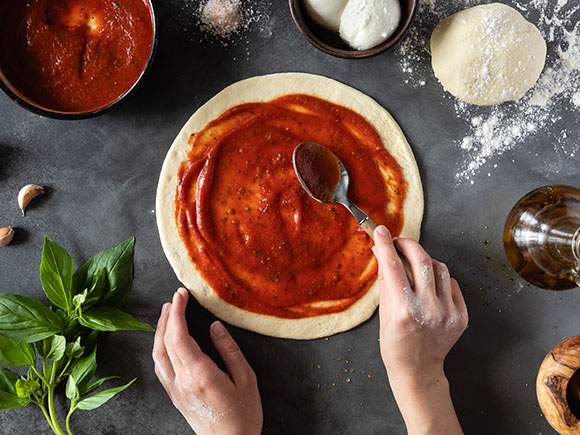
Choosing the right classic pizza sauce supplier can make or break your restaurant’s success. The sauce is the heart of every pizza — it defines flavour, consistency, and the overall dining experience. Whether you run a small café, a cloud kitchen, or a large pizzeria chain, picking the perfect supplier is not just about cost — it’s about quality, reliability, and long-term partnership.
In this guide, we’ll walk you through exactly how to choose the right classic pizza sauce supplier for your business — step by step.
What’s the secret behind a pizza that customers keep coming back for? More often than not, it starts with the sauce. While cheese, crust, and toppings matter, the base layer ties everything together. Many restaurants rely on classic pizza sauce for its rich flavour and timeless appeal. But here’s the catch: even the best sauce can go wrong when used incorrectly. From over-seasoning to poor storage, small missteps can quickly turn a great pizza into a forgettable one. In this guide, we’ll explore the top 10 mistakes restaurants make with classic pizza sauce—and how to avoid them.
Why the Right Sauce Supplier Matters
Have you ever wondered why some pizzas taste consistently perfect every time? It’s not just the dough or cheese — it’s the sauce. A good classic pizza sauce brings balance between tanginess, sweetness, and spice. But when your sauce quality varies, so does your customer experience.
Here’s why your supplier choice matters:
- Consistency: Reliable suppliers maintain the same taste and texture in every batch.
- Cost efficiency: Bulk supply and steady pricing save money over time.
- Scalability: The right partner can grow with your business needs.
- Brand identity: A signature sauce can become your restaurant’s flavour trademark.
In short, your sauce supplier is not just a vendor; they’re part of your brand’s backbone
Step 1: Define What "Classic" Means for Your Brand
Not every classic pizza sauce tastes the same. Some are more herby, while others lean towards a rich, tomato-forward flavour. Before you even start searching for suppliers, define what your ideal sauce should taste like.
Ask yourself:
- Do you prefer an Italian-style sauce with basil and oregano?
- Or a milder, balanced flavour suited for fusion pizzas?
- Do you want it ready-to-use or customizable with your own ingredients?
Once you’re clear about your flavour profile, it becomes easier to filter suppliers who can deliver that exact consistency every time
Step 2: Check Ingredient Quality and Sourcing
The best pizza sauces start with high-quality tomatoes and herbs. Don’t hesitate to ask potential suppliers where they source their ingredients from. Fresh, vine-ripened tomatoes make all the difference compared to concentrate or artificial blends.
When evaluating suppliers, look for these qualities:
- No artificial preservatives or colors
- Use of natural herbs and spices
- Non-GMO and clean-label ingredients
- Shelf stability and freshness
If possible, request a sample batch to test the sauce’s flavour, texture, and aroma on actual pizzas.
Step 3: Evaluate Supplier Reliability and Reputation
A great sauce means nothing if the supplier can’t deliver it on time. Reliability is key — especially for restaurants that operate daily.
Here’s what to check:
- Track record: How long has the supplier been in business?
- Client testimonials: What do other restaurants say about them?
- Delivery schedules: Can they meet your weekly or monthly demand?
- Communication: Are they easy to reach when you need support?
A trustworthy supplier will always prioritise transparency and customer satisfaction over short-term gains.
Step 4: Compare Pricing Without Compromising Quality
It’s tempting to choose the lowest quote, but cheaper doesn’t always mean better. Instead, focus on value for money. Ask each supplier for:
- Price per kilogram or litre
- Minimum order quantities
- Packaging options (bulk or ready-to-use)
- Transportation and storage details
Sometimes, a slightly higher price can mean superior taste, longer shelf life, and better consistency — all of which add long-term value to your brand.
Step 5: Test for Customisation and Flexibility
Your ideal supplier should be open to customisation. Maybe you want a classic pizza sauce that’s a little thicker, or one with a hint of extra garlic. Flexible suppliers can tweak their recipes or packaging to suit your brand’s preferences.
Customisation options may include:
- Spice level adjustments
- Consistency (smooth or chunky)
- Private labelling or co-branding
- Batch size flexibility
Such suppliers become valuable partners as your business grows or your menu evolves.
Step 6: Consider Sustainability and Compliance
Today’s consumers care about where their food comes from. Partnering with eco-conscious suppliers not only improves your brand image but also aligns with global food safety standards.
Ask suppliers about:
- Sustainable tomato farming practices
- Waste management during production
- Certifications (FSSAI, ISO, HACCP, FDA)
- Eco-friendly packaging options
Choosing a supplier who follows ethical and sustainable methods builds trust with both customers and regulators.
Step 7: Don’t Forget About Versatility
If your restaurant serves more than pizza — say, pasta, sandwiches, or lasagna — choosing a sauce that doubles as the best pizza pasta sauce can simplify operations.
A versatile classic pizza sauce can save you storage space and cost by fitting into multiple menu items. Just ensure the flavour is balanced enough to work across dishes.
Step 8: Build a Long-Term Partnership
Once you’ve found a supplier who meets all the above criteria, think long-term. Discuss regular feedback sessions, taste consistency checks, and supply chain transparency. Treat your supplier as part of your brand’s extended family, not just a vendor.
Strong relationships often lead to:
- Better pricing over time
- Early access to new product lines
- Customised support during high-demand seasons
Final Thoughts: Making the Right Choice
Choosing the right classic pizza sauce supplier is not a one-time task — it’s a long-term decision that shapes your business identity. Take time to test, compare, and communicate before finalising.
A reliable supplier ensures every pizza you serve tastes just as good as the first. Whether you’re aiming for authentic Italian flavours or the best pizza pasta sauce versatility, the right sauce partner will help you maintain consistency, quality, and customer trust — slice after slice.