
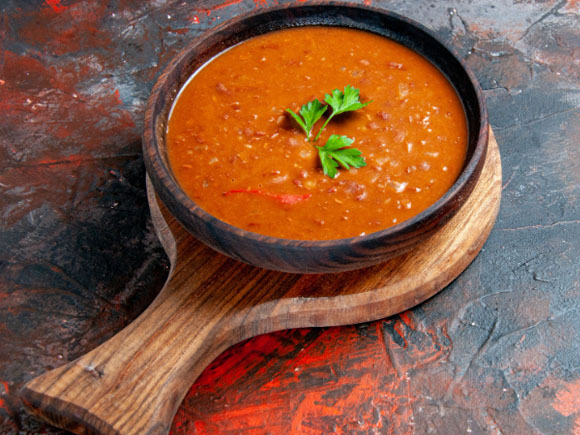
If you run a restaurant, catering service, or food brand, consistency in taste and quality is non-negotiable. And when it comes to North Indian cuisine, tomato makhani gravy often forms the base of customer-favorite dishes like butter chicken, paneer makhani, and mixed veg curries. Choosing the right supplier for this gravy isn’t just about cost—it’s about reliability, taste, shelf life, and support. So how do you decide which supplier is the right fit for your business? Let’s break it down step by step.
Why Tomato Makhani Gravy Matters for Your Menu
Tomato makhani gravy is more than just a sauce. It’s the flavour foundation of countless recipes. A small compromise in taste or quality can affect the entire dining experience. For businesses, that means:
- Consistency: Customers expect the same taste every time.
- Speed: Pre-made makhani gravy reduces kitchen prep time.
- Scalability: You can serve more orders without worrying about uneven flavour.
When the base is sorted, chefs can focus on creativity instead of repetitive chopping, grinding, and cooking.
What to Look for in a Tomato Makhani Gravy Supplier
Not all suppliers are equal. The right partner ensures your dishes taste authentic while meeting operational demands. Here are the key factors you should consider:
1. Quality and Authentic Taste
The first box to tick is flavour. Does the supplier’s tomato makhani gravy taste authentic, fresh, and restaurant-style? Check if:
- The gravy is made with real tomatoes, butter, cream, and spices—not just fillers.
- The texture is smooth and balanced.
- There’s no overpowering artificial flavor or preservative aftertaste.
Tip: Request samples before committing. Try it across different recipes like paneer makhani or chicken tikka masala to see how well it adapts.
2. Shelf Life and Storage Requirements
For a business, logistics are just as important as taste. Some suppliers offer gravies with longer shelf lives without compromising freshness. Ask about:
- Packaging: Vacuum-sealed pouches, retort packs, or frozen options.
- Shelf stability: Does it need refrigeration, or can it be stored at room temperature?
- Portion sizes: Are packs suitable for bulk or daily use?
Longer shelf life means fewer wastages and easier stock management.
3. Food Safety and Certifications
Trustworthy suppliers maintain hygiene and comply with food safety standards. Make sure your supplier follows:
- FSSAI approval or other relevant certifications.
- HACCP or ISO food safety practices.
- Transparent labelling with ingredients and allergen details.
This step ensures your business stays compliant and safe for customers.
4. Customisation Options
Different kitchens have different needs. Some restaurants prefer mildly spiced gravies, while others want richer, buttery flavours. A good supplier should offer:
- Multiple variants of makhani gravy (mild, medium, spicy).
- Bulk customisation for specific business requirements.
- Options for vegetarian and vegan menus.
Custom solutions help you stand out from competitors without compromising convenience.
5. Pricing and Value for Money
Price is important, but it shouldn’t be the only deciding factor. Cheaper isn’t always better. Instead, consider:
- Cost per portion—not just per pack.
- Delivery charges and minimum order requirements.
- Discounts on bulk or recurring orders.
Balance quality with cost so you’re not compromising customer satisfaction for short-term savings.
6. Reliability and Delivery Support
Imagine running out of makhani gravy during peak hours. That’s a nightmare for any restaurant. Reliable suppliers should provide:
- Consistent supply with minimal delays.
- Easy ordering systems (phone, online, or distributor).
- Strong customer support for queries or issues.
A supplier who values your business will ensure you never face downtime.
Common Mistakes Businesses Make When Choosing a Supplier
- Focusing only on price and ignoring taste or safety.
- Not testing samples before signing long-term contracts.
- Overlooking logistics like delivery timelines and storage.
- Ignoring certifications that guarantee compliance.
Avoiding these mistakes can save you from costly disruptions later.
How to Shortlist and Finalise the Right Partner
Here’s a simple process you can follow:
- Research local and national suppliers.
- Request samples and test recipes in your kitchen.
- Compare pricing along with shelf life, packaging, and storage needs.
- Check certifications for safety compliance.
- Evaluate support—ask about delivery schedules and customer service.
- Start with a trial order before signing a long-term deal.
This step-by-step approach ensures you make an informed, confident decision.
Final Thoughts
Choosing the right tomato makhani gravy supplier isn’t just a purchase decision—it’s a business strategy. The right partner ensures your dishes stay consistent, safe, and delicious while keeping operations smooth. Look for quality, safety, shelf life, customisation, and reliable support before making your choice.
At the end of the day, your customers don’t see the supplier—they taste the gravy in your dishes. When you pick wisely, your business wins with every bite.